
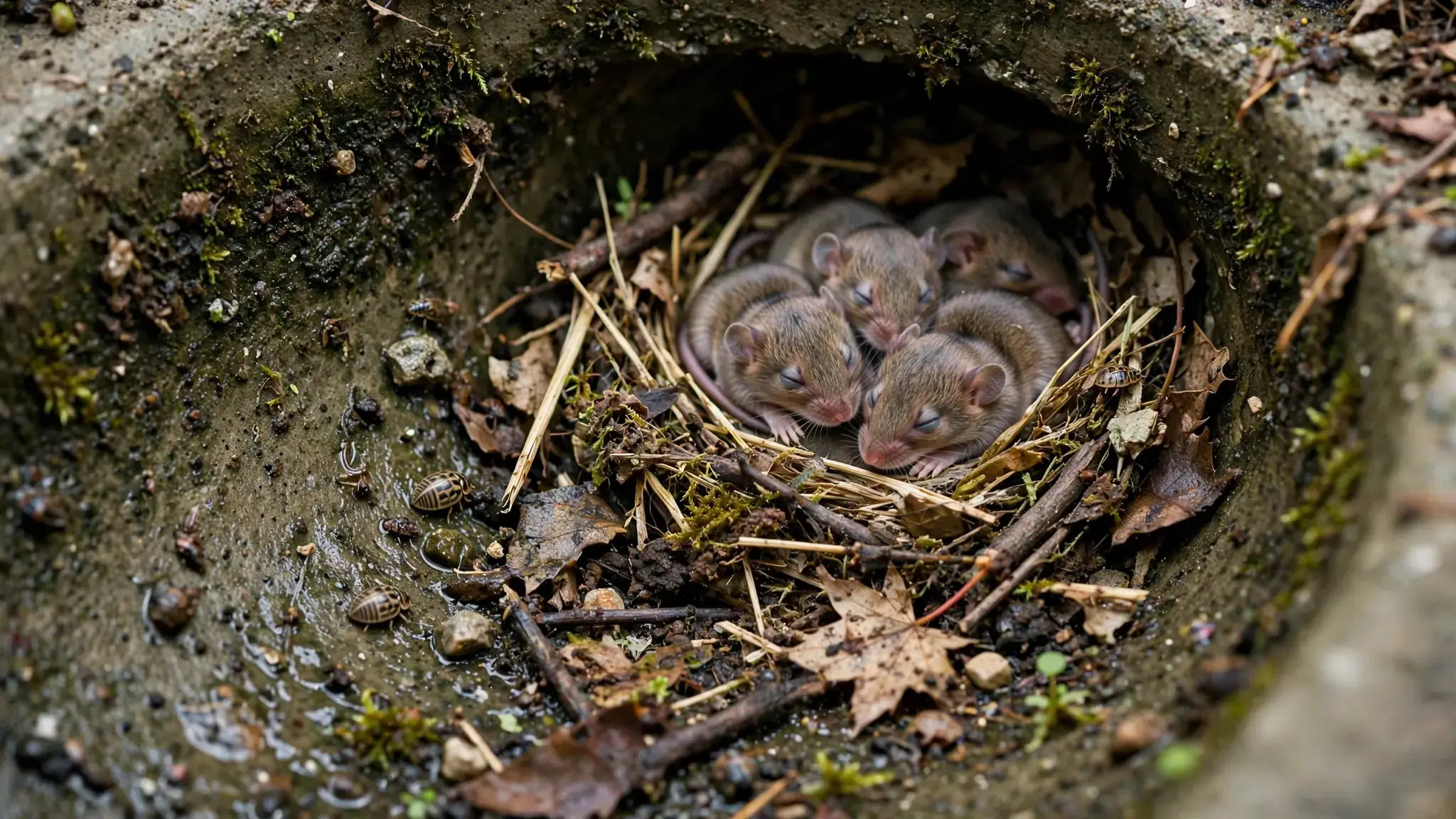
If you are dealing with critters nesting in outdoor drains, you need clear answers — not generic plumbing advice. Here is the direct answer: critters nesting in outdoor drains is typically caused by sediment accumulation, and it rarely resolves on its own. The good news is that early action, using the safe steps below, often prevents a minor issue from becoming an emergency.
The mistake most homeowners make with outdoor & yard drains is waiting — hoping the problem improves, trying one chemical product after another, or ignoring early signs until water is backing up. This guide takes a different approach: understand the problem, take the right immediate steps, and know exactly when to call a professional.
Everything below is based on what we actually encounter in Tucson homes — not textbook theory. The causes, the warning signs, and the solutions reflect local conditions including hard water mineral buildup, monsoon-season stress, and the realities of desert landscaping near sewer lines.
In most cases, critters nesting in outdoor drains means downspout issues is restricting your drain. Stop using the affected fixtures, avoid chemical cleaners, and follow the safe steps below. If water is backing up or multiple fixtures are affected, call (520) 536-0785 immediately — this qualifies as an emergency.
What To Do Right Now
Safe first steps for critters nesting in outdoor drains — in order of priority:
- Stop using the affected fixtures immediately to prevent worsening the backup.
- If water is rising or sewage is present, shut off the main water valve and keep everyone clear of the area.
- Move valuables and furniture away from affected areas to prevent water damage.
- Take photos of any visible backup or damage for your records.
- Do NOT use chemical drain cleaners — they damage pipes and create hazards for technicians.
- Call (520) 536-0785 if the situation is urgent — we respond 24/7 in Tucson.
Signs To Look For
Knowing the warning signs of critters nesting in outdoor drains helps you act before a minor issue becomes an emergency. Watch for these indicators:
Debris Accumulation
Visible debris piled at drain grates, in gutters, or around downspout outlets indicates maintenance is overdue. If surface debris is visible, subsurface accumulation is certainly worse.
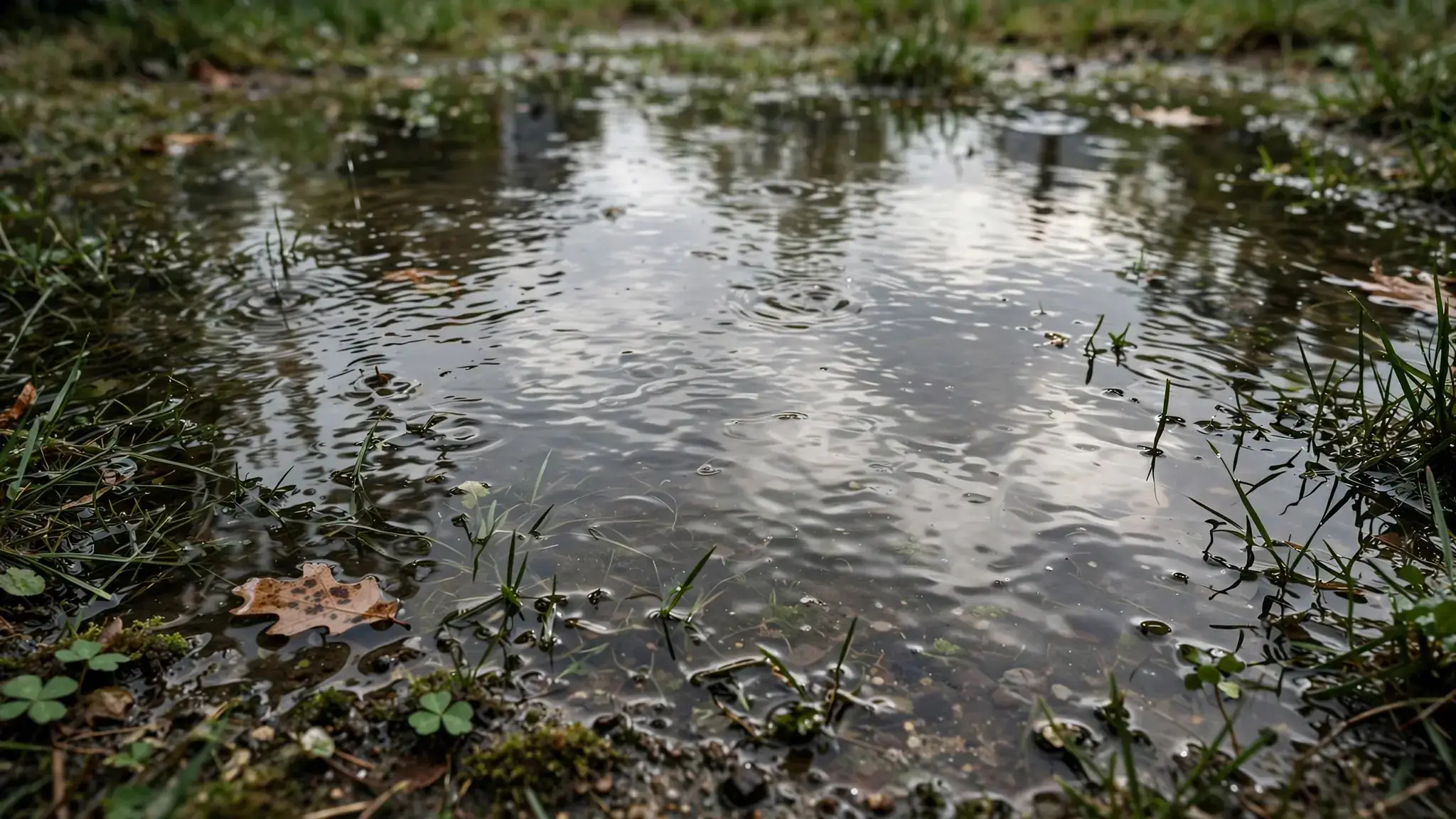
Yard Pooling
Water pooling in the yard after rain — especially where it did not pool previously — indicates drainage failure. New pooling points to new blockages or damage; chronic pooling indicates systemic issues.
Foundation Water
Water accumulating near the foundation after rain is a serious warning sign. Foundation water threatens structural integrity and indicates that drainage is not directing water away as designed.
Overflowing Gutters
Gutters overflowing during rain — water cascading over the edges rather than flowing through downspouts — indicates gutter or downspout blockage. This concentrates water at the foundation, compounding problems.
Need Help Right Now? We Answer 24/7.
Call (520) 536-0785Common Causes
Understanding what causes critters nesting in outdoor drains helps you address the real problem — not just the symptoms:
Downspout Issues
Disconnected, damaged, or improperly directed downspouts concentrate roof water in locations that overwhelm drainage. A single downspout can deliver hundreds of gallons during a monsoon storm — if misdirected, it creates localized flooding.
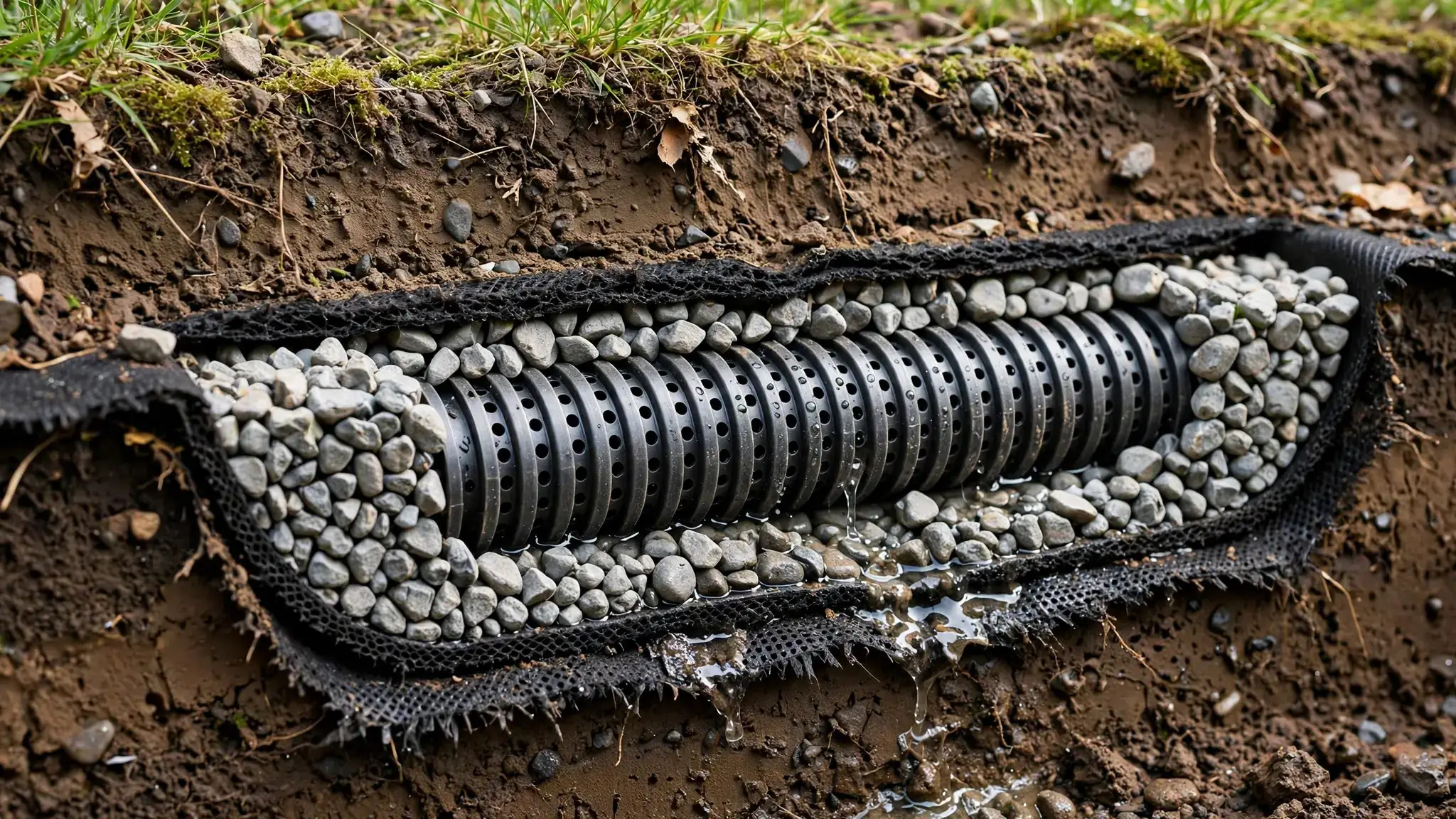
French Drain Clogging
French drains (perforated pipe in gravel) clog with silt, roots, and debris over time. Their subsurface location makes problems invisible until failure — water pooling where the French drain should be working. Professional servicing restores function.
Grading Problems
Improper yard grading directs water toward structures instead of away, overwhelming drains and causing pooling. Grading issues often develop over time as soil settles or landscaping changes. Correct grading is fundamental to outdoor drainage.
What Happens If You Wait
Ignoring critters nesting in outdoor drains does not make it go away — drain problems worsen over time. Here are the real consequences of waiting:
- Water damage: Backups and overflows damage flooring, cabinets, drywall, and belongings. Water damage restoration costs far exceed drain service.
- Mold growth: Persistent moisture from slow leaks or backups creates conditions for mold, which affects indoor air quality and requires professional remediation.
- Higher costs: A simple clearing becomes an emergency visit; a maintenance issue becomes a repair. Every stage of escalation increases the cost.
- Health risks: Sewage backups expose your household to harmful bacteria and pathogens. Standing water from any backup should be treated as hazardous.
- Structural damage: Chronic moisture undermines building materials, and in severe cases affects foundations. Early intervention prevents structural consequences.
Active backup, sewage odor, multiple fixtures affected, or water where it should not be — these require immediate professional attention, not a wait-and-see approach.
Safe DIY Checks Vs When To Call A Professional
An honest comparison for critters nesting in outdoor drains — what you can safely try versus what requires professional help:
| Situation | DIY Approach | Call A Professional |
|---|---|---|
| Single slow fixture | Remove and clean stopper/drain cover; use a plastic drain tool for surface hair | If flow does not improve significantly |
| Visible surface clog | Manual removal with gloves; hot water flush | If the clog is beyond reach or recurs |
| Multiple fixtures affected | — | Always — this indicates branch or main line issues |
| Sewage backup or odor | — | Always — sewage is hazardous; keep clear and call immediately |
| Recurring problem | — | Always — recurrence signals underlying issues needing diagnosis |
| Standing water / flooding | Shut off water; move valuables | Always — active water emergencies need professional response |
Never attempt DIY on sewage backups, gas lines, or pressurized systems. When in doubt, call — we would rather assess a minor issue than repair damage from a DIY attempt gone wrong.
How Professional Service Fixes It
When you call us for critters nesting in outdoor drains, here is what professional resolution looks like:
- Diagnosis: We identify the exact cause and location — often with camera inspection so you can see what we see.
- Explanation: We show you the findings and explain your options in plain language, with upfront pricing before any work begins.
- Resolution: Using the appropriate method — mechanical clearing, hydro jetting, or root cutting — we resolve the issue completely, not just temporarily.
- Verification: We confirm full flow restoration and, where appropriate, verify with camera that the line is clear.
- Prevention: We explain what caused the problem and how to prevent recurrence, including recommended maintenance intervals for your specific situation.
Learn more about our professional drain cleaning services in Tucson and our 24/7 emergency response for urgent situations.
Related: Standing Water In The Yard After Rain — practical guidance on a closely connected topic.
Related: How To Find Your Yard Drain Cleanout — practical guidance on a closely connected topic.
For professional help, see our Drain Grate Removal in Tucson AZ — 24/7 service with 30–45 minute arrival.
For professional help, see our Main Sewer Line Backup in Tucson AZ — 24/7 service with 30–45 minute arrival.
Browse all of our Tucson drain cleaning guides for more practical plumbing advice.
If this is urgent, our emergency drain service responds 24/7 across Tucson.
Frequently Asked Questions
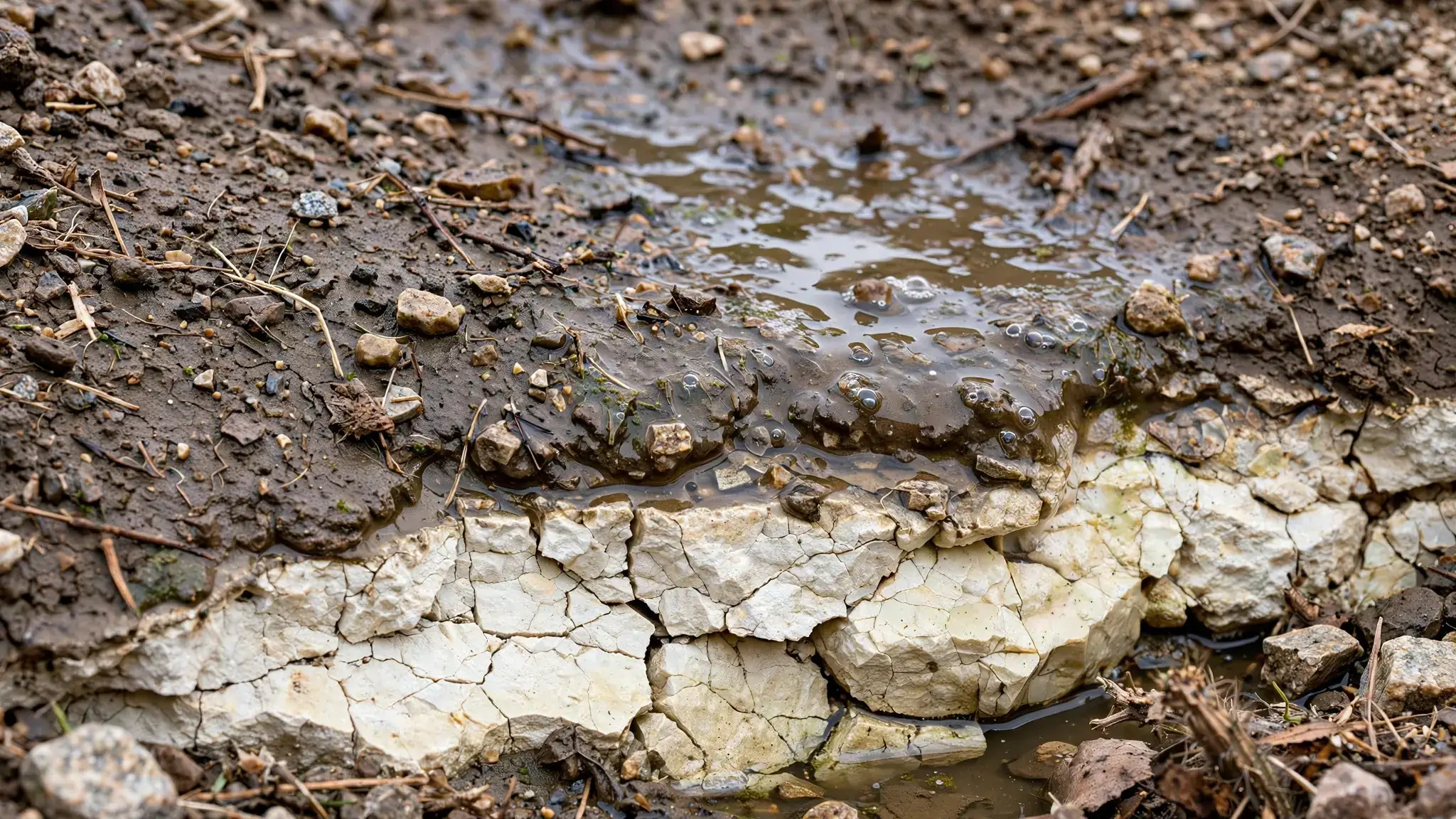
Sediment Accumulation is the leading cause we encounter in Tucson homes. Desert dust and sediment wash into outdoor drains with every rain, gradually filling pipes and catch basins. Every situation is different, which is why professional diagnosis matters when the problem persists.
For minor instances, yes — ensure yard grading consistently directs water away from structures — at least 6 inches of fall in the first 10 feet. If the problem persists after basic steps, recurs frequently, or involves multiple fixtures, professional equipment and diagnosis are needed.
When water is actively backing up, sewage is involved, multiple fixtures are affected, or there is risk of water damage. Stop using water and call (520) 536-0785 — we respond 24/7 with typical 30-45 minute arrival.
Consistent habits are the foundation: ensure yard grading consistently directs water away from structures — at least 6 inches of fall in the first 10 feet. Beyond daily habits, periodic professional maintenance catches developing issues. Prevention costs far less than emergency response.
Most fixture-level issues are resolved within an hour of professional service; branch or main line problems may take 2-4 hours including diagnosis. We provide a realistic timeframe on arrival after assessing your specific situation.
Yes — ignored drain problems lead to water damage (flooring, cabinets, drywall), mold growth from persistent moisture, and in severe cases structural issues. The cost of waiting consistently exceeds the cost of early professional attention.
We diagnose first — often with camera inspection — show you our findings, provide upfront pricing before work begins, resolve the issue completely, and verify the result. You understand what is wrong before committing to anything.
It can be — improper yard grading directs water toward structures instead of away, overwhelming drains and causing pooling. During diagnosis, we assess all contributing factors, not just the most obvious one. Multiple causes often interact, which is why thorough professional assessment matters.
Related Services
French Drain Service
Professional french drain service in Tucson AZ — 24/7 service with 30–45 minute arrival.
View ServiceMain Drain Clog
Professional main drain clog in Tucson AZ — 24/7 service with 30–45 minute arrival.
View ServiceMainline Drain Cleaning
Professional mainline drain cleaning in Tucson AZ — 24/7 service with 30–45 minute arrival.
View ServiceRelated Articles
Drain Problems In Tucson? Talk To A Pro.
20 years of experience, 24/7 availability, and typical 30–45 minute arrival across Tucson AZ.
Call (520) 536-0785